External Fire Doors for Commercial Buildings: What You Need to Know in 2026
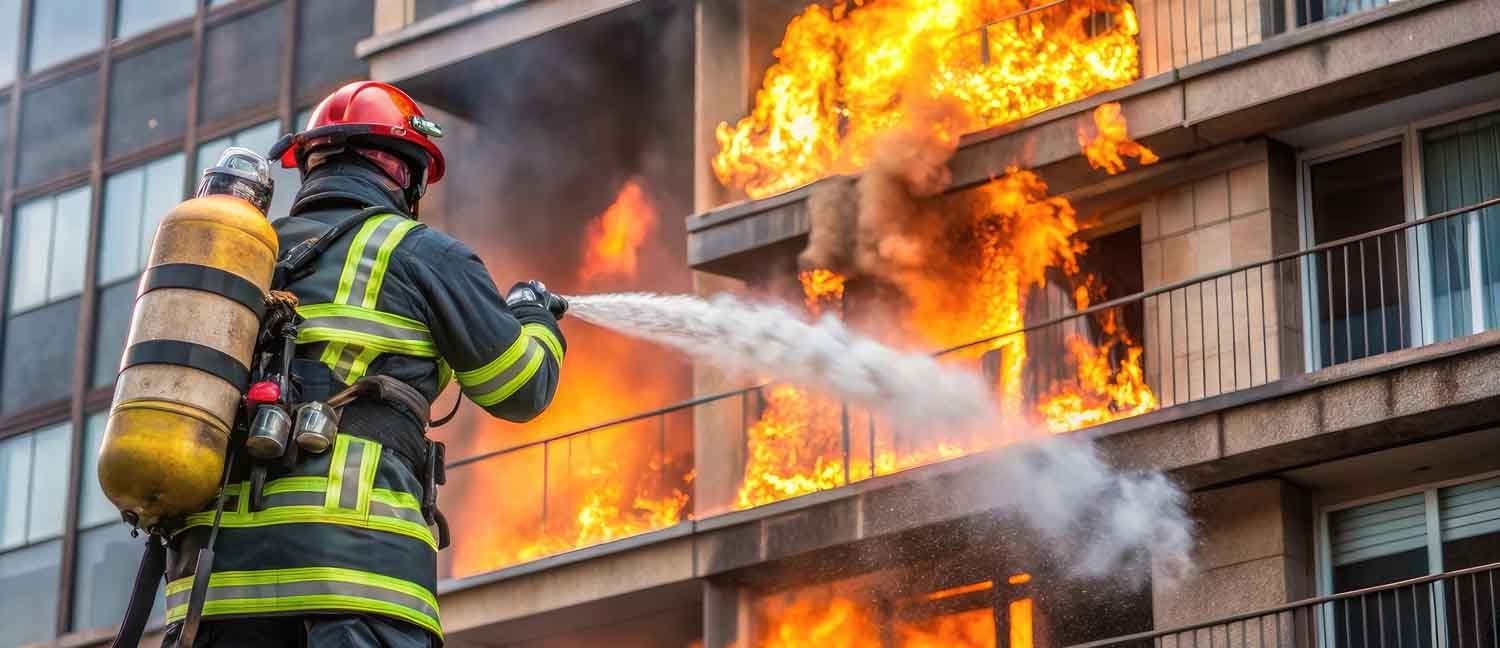
External fire doors on commercial premises have unique compliance rules, such is their importance in maintaining a building’s fire safety standards.
Fire safety is a critical part of managing any commercial building – and we provide a full range of products, devices, training and checks to give you the best chances of prevention, as well as planning for evacuation and extinguishing if the worst does happen. In the articles and guides below, you find a wealth of information to help you protect your people and premises.

External fire doors on commercial premises have unique compliance rules, such is their importance in maintaining a building’s fire safety standards.

In early 2026, UK fire door regulations underwent some of the biggest regulatory changes in years. This came about through the phasing out of old British testing standards and stricter enforcement under the Building Safety Act and Fire Safety Act.

Commercial fire detection systems rely on two core devices: smoke/heat detectors, fitted throughout your premises to detect the initial physical symptoms of fire, and fire alarm control panels (or FACPs), which receive signals from your heat and smoke detectors, triggering wider alarms and sending alerts directly to emergency services or monitoring partners, for the fastest possible response time.

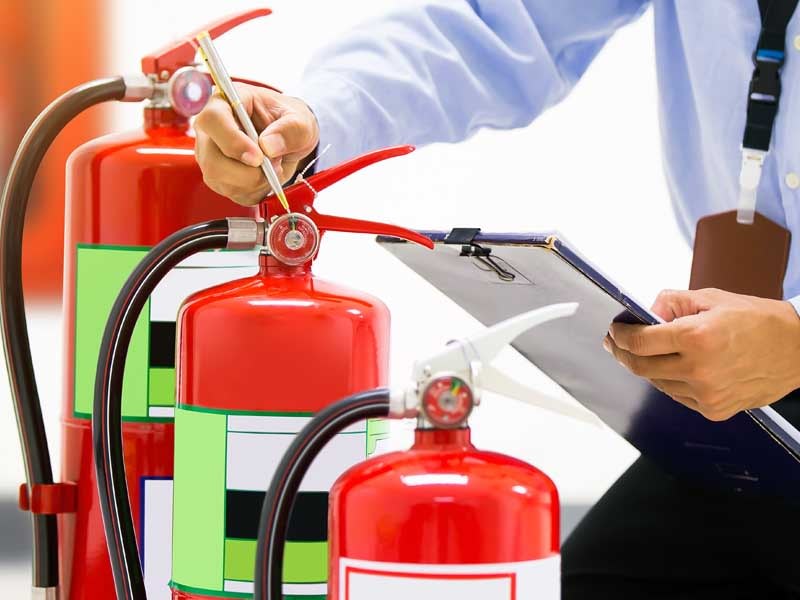
The fire safety team at JLA has noted some confusion among customers regarding which extinguishers are banned. Not all foam fire extinguishers are prohibited—only those containing C8. We strongly recommend checking the specifications of your extinguishers before proceeding with replacements.

Fire safety is not just a legal requirement; it is a vital responsibility that protects lives, property and business continuity. Yet many organisations unknowingly make mistakes that leave them exposed to unnecessary risk. Discover some of the most common oversights and why they matter.

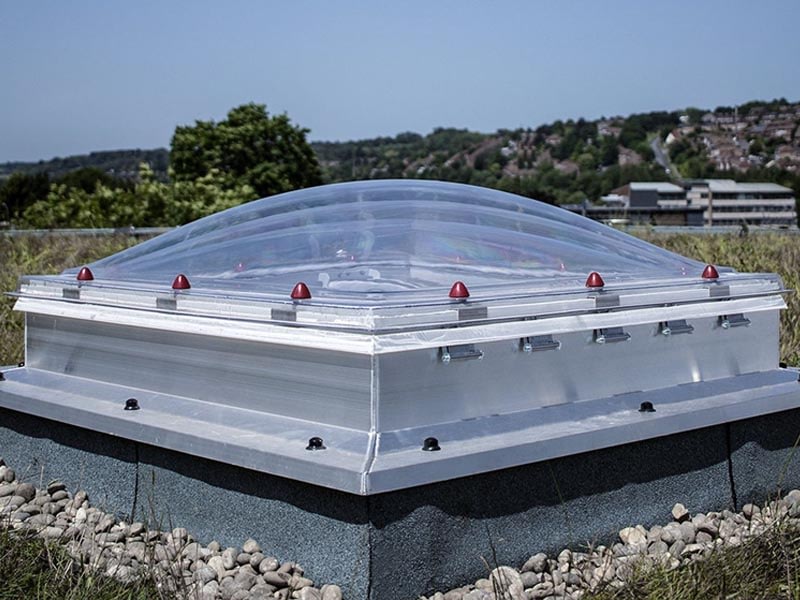
We often receive questions from our customers about automatic opening vents (AOV’s), including costs, regulations and testing.

Learn about why in response to growing concerns, regulatory authorities across the UK, EU, and US are implementing measures to restrict and eventually phase out the use of PFAS substances and certain additive enhanced fire extinguishers.

Whether you’re running a small local care home or a nationwide group, the safety of your residents, staff and visitors will be paramount. Legal compliance is part of the picture, with regulation like the Regulatory Reform (Fire Safety) Order 2005 needing to inform your fire safety strategy.

JLA’s Mark Bone explains why improving data collection and digital record-keeping can reduce risk.

Protecting students, staff and visitors is your number-one priority, which is why it matters to plan ahead, provide training, and invest in systems that will help your school stay safe and compliant throughout the year.

Whether you’re protecting a school, nursery, college or university, it’s difficult to overstate the importance of fire safety in the education sector – or your need for constant care and diligence.

Carrying out an FRA means performing an audit of your setup to help you identify fire hazards, inadequate equipment, structural risks or outdated procedures, then create an effective (and fully documented) fire safety plan to tackle them. But who is responsible for doing this work? And how can you make sure you’re staying compliant?
By clicking Get my quote, you agree to the Terms and Conditions set out by this site, including our Privacy Policy