• About us
    • Back
    • Careers
    • ESG
    • Accreditations
    • Testimonials
    • Blog
    • Back
  • Solutions
    • Back
    • JLA Total Care
    • JLA Response
    • Compliance services
    • Flexible payment systems
    • Repairs
    • Back
  • Sectors
    Back
      • Care Homes
      • Contract Cleaners
      • Education
      • Equine and Stables
      • Facilities Management
      • Football Clubs
      • NHS and Healthcare
      • Health Clubs
      • Holiday Parks
      • Hotels & Spas
      • Housing
      • Launderettes
      • Prisons
      • Pubs & Restaurants
      • Public Sector
      • Vets & Animal Care
    Back
  • icon_20x20new_call0808 239 7578
  • comment-questionHelp
  • icon_20x20new_searchSearch
  • icon_20x20new_myjlamyJLA
    • Back
    • Manage your account online with MyJLA

      myJLA supports the smooth running of your business, with statements, job sheets, site information and essential documents all in one place.

      Sign in
      Register your interest
    • Back
JLA
  • Laundry
    Back
      • Commercial washing machines
      • Coin-operated washing machines
      • Barrier washers
      • Stacked systems
      • View all commercial washing machines
      • Commercial tumble dryers
      • Coin operated tumble dryers
      • Stackable
      • Safe technology
      • View all commercial tumble dryers
      • Commercial irons
      • Dryer ironers
      • Rotary irons
      • Hand finishing equipment
      • View all commercial Irons
      • Infection control
      • Medical macerators
      • Bedpan washers
      • Air filtration systems
      • View all infection control
      • OTEX
      • Laundry
      • Mould compliance
      • View all OTEX
      • Laundry solutions
      • Contactless laundry equipment
      • Commercial laundry service contracts
      • Managed laundry solutions
      • Microplastic filter
      • Launderette equipment
      • Drying cabinets
    Back
  • Catering
    Back
      • Cooking appliances
      • Commercial ovens
      • Commercial fryers
      • Commercial grills
      • Commercial griddles
      • Commercial hobs
      • Commercial induction
      • Bratt pans
      • Fridges & freezers
      • Commercial fridges
      • Commercial freezers
      • Commercial ice machines
      • Blast chillers
      • Food warmers
      • Bain Maries
      • Hot Cupboards
      • View all food warmers
      • Dish & glasswashers
      • Commercial Dishwashers
      • Glasswashers
      • Utensil washers
      • Catering solutions
      • Commercial kitchen installation
      • Kitchen furniture
    Back
  • HVAC
    Back
      • Heating
      • Boilers
      • Wall mounted
      • Floor standing
      • Hybrid heating systems
      • Commercial boiler service contracts
      • Total care for heating
      • View all heating
      • Hot water
      • Hot water cylinders
      • Water storage heaters
      • Sterile equipment services
      • Air conditioning
      • Commercial air conditioning
      • Commercial air conditioning service contracts
      • Air handling units
      • Cellar cooling systems
      • Total Care for air conditioning
    Back
  • Fire & security
    Back
      • Fire
      • Emergency lighting
      • Fire extinguishers
      • Fire alarms
      • AOV systems
      • View all fire safety
      • Passive fire safety
      • Commercial fire doors
      • View all passive fire safety
      • Fire risk assessments
      • Fire safety training
      • Security systems
      • Building services
      • Electrical services
    Back
  • Detergents
    Back
      • Laundry detergents
      • Commercial laundry detergents
      • Auto dosing pumps
      • Catering detergents
      • Commercial kitchen chemicals
    Back
  • Call us free:
    01422822282
Get a quote
JLA
Call us free:
01422822282
  • Commercial laundry equipment
    • Commercial washing machines
      • Coin-operated washing machines
      • Barrier washers
      • Stacked systems
      • Commercial washing machines
    • Commercial tumble dryers
      • Coin-op dryers
      • Stackable
      • Safe technology
      • All commercial dryers
    • Commercial irons
      • Dryer ironers
      • Roller ironers
      • Hand Finishing Equipment
    • Infection Control
      • Medical macerators
      • Bedpan washers
      • Air filtration systems
      • View all infection control
    • OTEX
      • Laundry
      • Mould compliance
      • View all OTEX
    • Contactless Laundry Equipment
    • Managed laundry solutions
    • Launderette equipment
    • Drying cabinets
    • Microplastic filter
    • Commercial laundry service contracts
  • Commercial catering equipment
    • Cooking appliances
      • Commercial combi ovens
      • Combi
      • Commercial range ovens
      • Commercial convection ovens
      • Commercial fryers
      • Commercial grills
      • Commercial griddles
      • Commercial hobs
      • Commercial induction hobs
      • Bratt pans
    • Refrigeration
      • Commercial fridges
      • Commercial freezers
      • Commercial ice machines
      • Blast chillers
    • Dishwashers & glasswashers
      • Commercial dishwashers
      • Undercounter dishwashers
      • Passthrough dishwashers
      • Commercial glasswashers
      • Utensil washers
    • Food warmers
      • Bain Maries
      • Hot Cupboards
      • View all food warmers
    • Water boilers
      • JLA water boiler
    • Modular
    • Furniture
    • Commercial kitchen design
  • HVAC
    • Commercial heating
      • Commercial boilers
      • Hot water cylinders
      • Water storage heaters
      • Hybrid heating systems
      • Commercial boiler service contracts
      • Total care for heating
    • Commercial air conditioning
    • Commercial air conditioning service contracts
    • Air handling units
    • Cellar cooling systems
    • Total Care for Air Conditioning
    • Sterile Services
  • Fire & security
    • Fire
      • Emergency lighting
      • Fire extinguishers
      • Fire alarms
      • AOV systems
    • Passive fire safety
      • Commercial fire doors
    • Fire risk assessments
      • Fire safety training
    • Commercial security systems
    • Building services
    • Electrical services
  • Detergents
    • Laundry detergents
    • Auto dosing-pumps
    • Catering detergents
  • Solutions
    • Total Care
    • JLA Response
    • Compliance services
    • Flexible payment systems
    • Repairs
  • About us
    • Careers
    • ESG
    • Accreditations
    • Testimonials
    • Blog
  • Sectors
    • Care Homes
    • Hotels & spas
    • Pubs & restaurants
    • Education
    • Holiday parks
    • Health clubs
    • Housing
    • Facilities management
    • Football clubs
    • Launderettes
    • NHS & Healthcare
    • Prisons
    • Public sector
    • Vets & animal care
    • Equine and Stables
  • Help
  • MyJLA
  • Contact
  • Commercial laundry equipment
    • Commercial washing machines
      • Coin-operated washing machines
      • Barrier washers
      • Stacked systems
      • Commercial washing machines
    • Commercial tumble dryers
      • Coin-op dryers
      • Stackable
      • Safe technology
      • All commercial dryers
    • Commercial irons
      • Dryer ironers
      • Roller ironers
      • Hand Finishing Equipment
    • Infection Control
      • Medical macerators
      • Bedpan washers
      • Air filtration systems
      • View all infection control
    • OTEX
      • Laundry
      • Mould compliance
      • View all OTEX
    • Contactless Laundry Equipment
    • Managed laundry solutions
    • Launderette equipment
    • Drying cabinets
    • Microplastic filter
    • Commercial laundry service contracts
  • Commercial catering equipment
    • Cooking appliances
      • Commercial combi ovens
      • Combi
      • Commercial range ovens
      • Commercial convection ovens
      • Commercial fryers
      • Commercial grills
      • Commercial griddles
      • Commercial hobs
      • Commercial induction hobs
      • Bratt pans
    • Refrigeration
      • Commercial fridges
      • Commercial freezers
      • Commercial ice machines
      • Blast chillers
    • Dishwashers & glasswashers
      • Commercial dishwashers
      • Undercounter dishwashers
      • Passthrough dishwashers
      • Commercial glasswashers
      • Utensil washers
    • Food warmers
      • Bain Maries
      • Hot Cupboards
      • View all food warmers
    • Water boilers
      • JLA water boiler
    • Modular
    • Furniture
    • Commercial kitchen design
  • HVAC
    • Commercial heating
      • Commercial boilers
      • Hot water cylinders
      • Water storage heaters
      • Hybrid heating systems
      • Commercial boiler service contracts
      • Total care for heating
    • Commercial air conditioning
    • Commercial air conditioning service contracts
    • Air handling units
    • Cellar cooling systems
    • Total Care for Air Conditioning
    • Sterile Services
  • Fire & security
    • Fire
      • Emergency lighting
      • Fire extinguishers
      • Fire alarms
      • AOV systems
    • Passive fire safety
      • Commercial fire doors
    • Fire risk assessments
      • Fire safety training
    • Commercial security systems
    • Building services
    • Electrical services
  • Detergents
    • Laundry detergents
    • Auto dosing-pumps
    • Catering detergents
  • Solutions
    • Total Care
    • JLA Response
    • Compliance services
    • Flexible payment systems
    • Repairs
  • About us
    • Careers
    • ESG
    • Accreditations
    • Testimonials
    • Blog
  • Sectors
    • Care Homes
    • Hotels & spas
    • Pubs & restaurants
    • Education
    • Holiday parks
    • Health clubs
    • Housing
    • Facilities management
    • Football clubs
    • Launderettes
    • NHS & Healthcare
    • Prisons
    • Public sector
    • Vets & animal care
    • Equine and Stables
  • Help
  • MyJLA
  • Contact
Get a quote

Month: July 2026

George Barclay
  • George Barclay
  • Laundry Expert

On average, small care homes have an expected daily laundry capacity of 6-18 kg, whereas large facilities require 18-60 kg. That’s on top of specific compliance and hygiene standards, which are closely monitored by bodies like the CQC.

With a lot to consider, ensuring your on-site care home laundry is up to standard can be a significant undertaking. So, if you’re a care home manager looking to upgrade or scale-up your laundry operations, join our experts for a closer look at the things you’ll need to consider, based on expected volumes and total number of residents.

Commercial washing machine - care

Key challenges at a glance

  • Small care homes need 0.4-0.5kg laundry capacity per resident daily
  • Large facilities require 0.5-0.75kg capacity per resident for higher dependency needs
  • All care home laundry equipment must meet WRAS Category 5 compliance
  • HTM 01-04 thermal disinfection standards apply regardless of home size
  • Commercial equipment lifespan averages 10-15 years vs 5-7 years for domestic machines
  • Equipment financing options available through Total Care contracts

Table of Contents

Equipment sizing calculator based on resident numbers

It’s possible to calculate typical laundry care requirements based on metrics like the number of residents in a facility. As such, we’ve created a handy calculator to help you get a gauge on your approximate laundry demand and throughput, so you can deploy the appropriate equipment and plan accordingly.

Small care home equipment specifications (under 20 residents)

Based on our experience of working alongside small-to-medium-sized care homes around the UK, we can confirm that these facilities typically need to process an average of 0.4-0.5 kg of laundry per resident, per day.

Scaling these figures up slightly, that equates to around 10 kg of laundry per day, based on a maximum occupancy of 20 residents. That falls well within the capacity of commercial washing machines, which are rated for an average load capacity of 7-28 kg. 

Given the comparatively low demand for daily laundry in small care facilities, you might be tempted to opt for standard domestic appliances that are rated for a load capacity of 10kg. However, as you’ll quickly discover, capacity is not the only consideration when equipping a care home laundry suite.

Washing machine specifications for small care homes

Typically, we advise that small care homes invest in a commercial washer that’s rated for a capacity of 7-14 kg, which is more than sufficient for an average occupancy of 5-20 residents. There are, of course, other features and characteristics which can make a commercial washer better suited to care home use, including…

  • Stackable machines can be easily combined with other appliances – like a tumble dryer – to maximise space in laundry rooms tight on square footage.
  • Care home washing machines must comply with the latest WRAS Category 5 compliance guidelines, offering features like thermal disinfection to eliminate the risk of cross-contamination
  • Durability, build quality, and lasting performance are prerequisites of commercial washing machines, even in small-scale laundry rooms. You want the assurance that your equipment will continue working at its best, to avoid breakdowns and downtime.

Dryer requirements for small-scale health and care facilities

To ensure expedited laundry processing times, a hard-working commercial tumble dryer is an essential piece of kit in a care home laundry suite. We typically recommend units with a comparable capacity to their washer counterparts; dryers with a capacity of 8-18 kg should be sufficient to process bedding, towels, and clothing from a maximum of 20 residents.

As with commercial washing machines, there are certain attributes to consider when selecting the right tumble dryer for a small care home, including:

  • An appliance’s energy rating is critical in curbing overheads and retaining optimal efficiency. Look for commercial dryers with a high score on the A++++ to G energy efficiency rating scale.
  • Consider your existing utilities to ensure that you select the appropriate tumble dryer for the size and layout of your laundry suite. For example, vented vs condenser commercial dryers have unique requirements, so choosing the most appropriate format is essential.
  • Durability is also of the essence when selecting a tumble dryer for a small care home. While the appliance may only be used daily, it’s critical that it can deliver reliable performance day after day.

Additional equipment for small care homes

Even the smallest care homes have specific laundry care requirements, so it’s important to consider any additional equipment that will aid day-to-day management and ensure complete and lasting compliance. Examples of additional equipment include:

  • Commercial irons and finishing equipment
  • Infection control accessories – including colour-coded laundry bags, safe storage solutions, and, if required, specific appliances like medical macerators and bedpan washers
  • Chemical dosing systems for consistent disinfection
  • Essential spare parts and maintenance supplies

Large care home equipment requirements (20-50+ residents)

For large care homes with an average occupancy of 20-50 residents or above, laundry requirements hit a whole new level. High-volume laundering at this scale requires a wholly different approach, alongside careful workflow management that ensures efficient planning and delivery.

Focusing specifically on the equipment requirements of large care homes and health facilities, let’s take a closer look at the recommended appliances, features, and characteristics of high-volume laundry suites.

Industrial washing machine specifications

Since large care facilities will be processing an average of 0.5-0.75 kg of laundry per resident, per day, they require a high-performance washing machine that can handle high-capacity loads on a near-continuous basis.

Enter our industrial washing machines, hard-working appliances capable of processing large loads of up to 180 kg per cycle. Of course, such an appliance may be overkill in a residential care home with around 20 inpatients, but for large-scale facilities with an occupancy of 50+ residents, a high-capacity machine can make light work of even the highest laundry demands.

Other characteristics to consider when investing in a large-scale commercial washing machine include…

  • A selection of laundry care programmes that enable you to tailor different loads by laundry type – be it flatwork, towels, or resident delicates.
  • Barrier control technology to remove the risk of cross-contamination from soiled and clean items.
  • In-built smart technologies to aid monitoring and auditing, while supporting your broader laundry workflow management strategy.

Commercial dryer systems for large care homes and health facilities

With dozens of rooms to attend to daily, ensuring expedited laundry turnaround times is critical in large-scale care and health facilities. As such, a hard-working industrial tumble dryer is essential in providing expedited drying times.

Typically, we’d recommend a large-scale commercial tumble dryer with an average capacity of 25-90 kg for use in high-volume care facilities. Other features to consider when investing in such an appliance include…

  • Smart technologies like moisture monitoring and steam heating to offer faster drying cycles, while helping to save energy.
  • In-built heat recovery systems to maximise efficiency and ensure rapid drying cycle times on a continuous basis.
  • A high level of durability and performance, to ensure round-the-clock operation with minimal risk of breakdowns and downtime.

Specialised equipment for large care homes

Large care homes are responsible for a full scope of laundry-related processes, including finishing, contamination prevention, and infection control. As such, the following specialised equipment may be required to ensure complete oversight, ease-of-management, and optimal day-to-day efficiency…

  • Industrial ironing systems, including flatwork ironers, pressing equipment, and rotary irons.
  • Automated chemical dosing and monitoring systems – to ensure maximum efficiency and streamlined day-to-day management.
  • Conveyor systems and material handling equipment
  • Digital monitoring systems like JLA Connect for asset management

Compliance requirements for all home sizes

It’s no secret that care home laundry regulations are tightly controlled in the UK, perhaps more so than in any other sector. And this makes sense when you consider how critical hygiene standards are to the safety of residents, visitors, and staff, particularly given the health risks that can arise from inadequate infection and cross-contamination prevention.

While we’ve covered current care home laundry legislation in our comprehensive resource linked above, it is worth providing a quick refresher on the various requirements that both large and small care homes must adhere to to maintain complete compliance.

CQC and HTM 01-04 Standards

The CQC is responsible for enforcing the HTM 01-04 standard, which is listed in the Health and Social Care Act 2008. This applies specifically to the safe handling, processing, and decontamination of linens in care facilities, in a bid to eliminate the risk of healthcare-associated infections and contamination.

Not only does HTM 01-04 cover safe linen handling and segregation, but it also instructs care homes on thermal disinfection and the specific temperatures required. These recommendations include…

Disinfection route 

Requirement

Thermal disinfection

  65°C for 10 minutes

Thermal disinfection

  71°C for 3 minutes

Chemical disinfection

  Equivalent validated process for suitable items

WRAS Category 5 Water Regulations

Since care facilities may emit water that carries a serious risk to human health, these centres are bound by WRAS Category 5 Water Regulations. This helps ensure that no contaminated water containing fecal matter, sewage, or pathogenic microorganisms is able to enter the public drinking water supply.

Under the current WRAS Category 5 regulations, all commercial washing machines must be fitted with adequate backflow prevention to protect the water supply. Failure to make these provisions could lead to a broad scope of potential penalties – from CQC inspection failures and monetary penalties to criminal charges in light of the most serious offences.

Equipment selection checklist by care home size

If you’re looking to upgrade your on-site laundry suite, you’ll need to carefully evaluate your requirements to ensure you deploy equipment that aligns with your exact laundry needs. So, to help, here’s a quick checklist of things to consider that should make finding perfect-fit appliances that much simpler.

Calculate your expected daily laundry volume in kilos

Use our helpful calculator to accurately work out your expected daily laundry volume based on your total number of permanent residents. From there, you can get a good handle on the optimal capacity requirements of your on-site equipment, scaling up slightly to allow for future growth and ad-hoc laundry processing needs.

Consider the size of your laundry room

It’s no good calculating your average per-day laundry requirements without considering practical factors like the total square footage of your current laundry room. If space is tight, you may need to think outside the box to ensure you get the volume and capacity you need; for example, stackable laundry equipment is one of the best ways of optimising capacity in a space-poor laundry suite.

Work out your total budget – while considering finance options

Upgrading commercial laundry equipment requires careful budget management and planning, particularly if you’re operating within a strict spending ceiling. Of course, there are finance options which can make equipment procurement that much simpler and more affordable, including our all-inclusive plan, JLA Total Care.

 FAQs

What size washing machine do I need for a 15-bed care home?

Typically, we would recommend a commercial washing machine that’s rated for loads between 7-14 kg for a small, 15-bed care home. 

How many machines should a 40-resident nursing home have?

That depends on the type of commercial washing machine you’re using. A single, industrial-grade washer may offer adequate capacity to handle this volume on its own, provided you have the space to install it. Elsewhere, you may prefer to opt for two or more large-scale commercial washers, perhaps even in a stacked tower configuration where space is at a premium.

Can small care homes use domestic washing machines legally?

No. Domestic washing machines are not equipped with the backflow prevention technologies to meet WRAS 5 regulations. Also, they may not offer the level of infection control that is required from regulatory bodies like the CQC.

What's the difference in maintenance costs between small and large care home setups?

Naturally, maintenance costs will be significantly higher for large-scale care home laundries versus smaller outfits. However, don’t forget that these costs also depend on the type of machines being used, as well as the presence of any servicing contracts that offset the cost of repairs and maintenance.

How do I calculate the right laundry capacity for my care home?

You can use our helpful tool to calculate required laundry capacity based on the size and scale of your care facility.

What financing options are available for care home laundry equipment?

Here at JLA, we offer a variety of financing options to help you get the equipment you need with no upfront cost. Total Care is our flagship service, and this includes brand-new equipment, full aftercare support, and ongoing servicing, maintenance, and repairs.

If you’re a care home manager looking to upgrade your laundry room equipment, the experts at JLA are here to help. Contact us today on 0808 239 7578 to discuss your priorities and requirements.

George Barclay

Laundry expert

Since joining JLA as an apprentice engineer in 2011, George has built extensive hands-on experience across plumbing, electrical and mechanical engineering, and now oversees laundry design and project delivery as our Head of Installations.

George’s career progression has given him detailed knowledge of commercial laundry operations, from on-site practicalities to meeting compliance standards. He is Gas Safe and COMCAT 1, 2, 3 and 5-qualified , and holds IOSH Managing Safety and 18th Edition accreditation.

From new laundry rooms to existing site upgrades, George’s expertise ensures that every project is completed safely, efficiently and with minimal disruption, so that operations can perform reliably from day one.

Whitepaper research
  • 10 mins

A safer switch to reusable healthcare textiles.

JLA’s new white paper explores how professional laundry systems can help NHS teams reduce single-use waste, control costs and maintain IPC standards, without compromising care.

Download Now →

Lucy Cripwell

As JLA’s in-house R&D chemist, Lucy is dedicated to developing innovative and sustainable laundry solutions. With a focus on improving efficiency and reducing environmental impact, Lucy works to create cutting-edge solutions that help NHS trusts meet strict infection control regulations.

  • Giovanna Eaton
  • Compliance expert

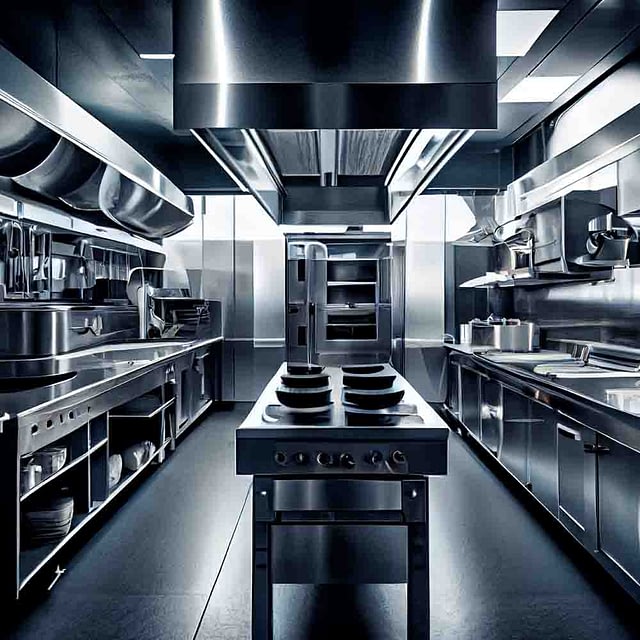
In your mind, there may never be a good time to upgrade your commercial catering equipment. But with our help, you can take your professional kitchen to the next level while mitigating the impact of high costs and operational downtime.

Join our catering experts for a comprehensive guide on when to upgrade your commercial kitchen equipment, and a ballpark assessment of how much this is likely to cost. We’ll cover the key warning signs that could indicate that it’s time to upgrade, along with essential cost-benefit analysis to help you nail your timing and maintain positive momentum and growth.

Commercial kitchen equipment 3

Key takeaways

  • Equipment over 10 years old typically costs 25% more to operate than modern energy-efficient models
  • Frequent breakdowns (more than three major repairs per year) signal immediate replacement needs
  • Spring months (March-May 2026) offer optimal timing for upgrades before peak hospitality seasons
  • Modern catering equipment reduces food waste by 15-20% through better temperature control and automation
  • Non-compliance with current health and safety regulations can result in closure and fines up to £20,000
  • JLA’s Total Care contracts eliminate capital outlay and provide guaranteed performance with fixed monthly payments

Table of Contents

Warning signs your commercial catering equipment needs immediate replacement

On occasion, the decision of when to upgrade commercial catering equipment is taken out of your hands by the emergence of tell-tale warning signs that something is amiss. From recurrent breakdowns to a recent health and safety inspection failure – certain indicators take the decision right out of your hands.

Let’s take a closer look at some of the signs, symptoms and issues that could communicate that it’s time for an upgrade.

Repair costs exceeding 50% of replacement value

As catering equipment ages, repair costs can spike, compounded by the release of new models that make it difficult to source replacement parts and components. Certainly, it is possible to extend the life of your appliances with regular servicing and maintenance, but avoiding mounting repair costs is unavoidable in the long term.

Typically, seeking an upgrade is recommended when repair costs exceed 50% of the total replacement value of the appliance. This is the threshold at which ongoing repairs and maintenance are no longer the most cost-effective way forward.

Think about it: should your commercial oven, fridge or dishwasher develop a fault that proves exorbitantly expensive to put right, there’s no telling when you might face a similar repair bill. At which point, an upgrade could well be the best option.

Health and safety compliance failures

Recently, we covered the challenges that can stem from outdated catering equipment, and a key takeaway here was the risk of kitchen appliances sliding towards non-compliance status.

When commercial kitchen equipment starts to show its age, this leaves your business exposed to the risk of non-compliance. Left unchecked, such issues could culminate in health and safety inspection failures, and all the penalties that come with them.

Needless to say, failing a health and safety inspection is a major red flag that it could be time to upgrade your commercial catering equipment – particularly if the failure is directly linked to an appliance that is in a poor state of health. Of course, there may be an opportunity to repair the equipment to rectify the problem, but only if this is the most cost-effective solution.

Energy efficiency below current standards

An ongoing issue that could flag that it’s time to upgrade your on-site catering equipment is diminishing energy efficiency. Old appliances may not be equipped to deliver the efficient performance and energy-saving operation your business needs, leaving you on the back foot when it comes to maintaining ESG-related objectives. 

Consider, too, that it’s impossible to repair and service your way out of this problem. No matter how much money you throw at outdated and inefficient catering equipment, it won’t boost its energy credentials in the long term.

The best way to get to grips with the performance of your existing catering equipment is to lean on smart meter data, which should detail its average consumption. Then, simply compare this to modern alternatives; if there’s a significant difference, this is a tell-tale sign that it’s time to upgrade.

Strategic timing for catering equipment upgrades

From your perspective, it may feel like there’s never an opportune moment to implement catering equipment upgrades. After all, with a business to run and busy service periods to manage, any downtime and upheaval could put a significant strain on your day-to-day operations.

Still, equipment upgrades are a non-negotiable part of managing a successful catering business, so you can’t avoid them forever. Instead, it all comes down to choosing the right moment and taking a strategic approach to ensure a successful and (hopefully) hassle-free deployment process.

Here’s some food for thought on planning your next catering equipment upgrade to mitigate the impact on your operations and workflow.

Plan equipment upgrades during off-peak periods

Since “off-peak periods” vary significantly from sector to sector, there’s no one-size-fits-all approach to take here. You’ll know better than anyone when your business could feasibly afford to deploy new equipment, factoring in the required downtime and disruption that this may cause.

If, for example, you run a professional kitchen in the hospitality sector, it’s often a good idea to carry out equipment upgrades during the quieter months of January to March, ready for a full return during the peak spring and summer trading periods. Meanwhile, schools and educational facilities may wish to take care of these during planned holidays, with the long summer break often providing the perfect opportunity.

Consider your annual budget

Suffice it to say that careful budget planning can make any equipment upgrades much more manageable. Factoring in year-on-year financial data where necessary, you should discern any notable peaks and troughs in revenue over a 12-month trading period, ensuring that any upgrades don’t cause an unnecessary squeeze.

Consider, too, that investing in new catering equipment could bring some tax-related benefits, helping you save on your next bill. So, it could be worth timing any outright purchases to bring maximum benefit to your annual assessment bill.

Business growth indicators that signal equipment upgrades

Replacing outdated appliances isn’t the only reason to upgrade your commercial catering equipment. In the face of steady growth, you may be reaching the point where an upgrade is the natural next step in the evolution of your business – ensuring that you can capitalise on momentum and expand where necessary.

With that in mind, let’s take a look at some of the signs that indicate that an equipment upgrade could help to support your ambitions for future growth.

Increased customer demand and service delays

If you’re finding it increasingly difficult to service the volume of customers coming through your doors, it could be a sign that you need to upgrade and expand your current catering setup. After all, you don’t want to let service levels slip, or create backlogs and delays that could prove detrimental in the long term.

Think carefully about areas of your current kitchen setup that could be causing bottlenecks, and handle these as a priority. That might mean installing a new commercial dishwasher to support speedier turnaround times, or the deployment of a professional bain marie to make plating simpler during busy service periods.

Menu expansion and diversification

Running a successful catering business means being open to changing tastes and trends that could affect your menu and offering in the long term. Of course, this might mean investing in new equipment to help deliver these menu changes in a seamless way.

Whether it’s a commercial pizza oven for rustling up the nation’s favourite or a modern blast chiller to ensure you can safely store fresh fish safely and conveniently – the right catering upgrade can help you seize on opportunities to grow and expand your business, while taking your culinary creativity to the next level.

Equipment replacement vs repair decision matrix

If you’re finding it difficult to know when to repair or replace commercial catering equipment, this decision tree might help. We’ve created this based on a variety of decision factors, so you can make an informed decision on the best route forward for your business.

Decision factor

Repair may be suitable

Upgrade is recommended

Age of equipment

Less than 50% through expected lifespan

Over 8-10 years old or past 75% of expected lifespan

Repair cost

Below 30% of replacement value

50% or more of replacement value

Breakdown frequency

One minor fault with quick repair

Frequent repairs or more than 3 major repairs per year

Parts availability

Parts are easy to source

Parts are discontinued, delayed or expensive

Energy use

Stable utility bills

Higher energy bills and poor energy efficiency

Compliance

Meets safety standards

Fails food safety, fire safety, gas, electrical or hygiene standards

Business impact

No service disruption

Lost revenue, workflow delays or reduced food quality

Cost-benefit analysis table

Before making any major decisions on upgrading your catering equipment, we recognise that you’ll want to ensure that any changes make commercial sense. That’s why we’ve put together this useful cost-benefit analysis table, contextualising the pros and cons of the broader repair-or-replace debate. 

5-year cost factor

Keeping older equipment

Upgrading to modern equipment

JLA Total Care option

Upfront costs

Low initially

Higher purchase cost

Zero capital outlay

Repair expenses

High risk of frequent repairs

Lower in early years

Included in fixed monthly plan

Energy bills

Higher energy bills from inefficient operation

Lower utility bills from energy-efficient models

Reduced energy use with supported equipment

Downtime losses

Higher risk of lost revenue

Lower risk with more reliable equipment

Breakdown support included

Staff productivity

Slower food preparation and cleaning

Increased efficiency and easier operation

Supported by installation and service

Food quality

Risk of inconsistency and spoilage

Better temperature control and consistent results

Maintained performance over time

Compliance risk

Higher if equipment is aging

Lower with current standards

Servicing supports compliance

Cash flow

Unpredictable additional costs

Large capital spend

Fixed monthly payments

The benefits of JLA Total Care for equipment upgrades

We appreciate that upgrading your commercial catering equipment can seem like a daunting prospect, both financially and operationally. The idea of forking out substantial capital on new equipment threatens to put a squeeze on your finances, while downtime could affect your short-term revenue chain, too.

It’s against this backdrop of uncertainty that we created JLA Total Care. Our all-inclusive equipment procurement plan gets you the equipment you need for a predictable monthly cost and nothing to pay upfront. It includes installation, servicing, and maintenance, too, mitigating the impact of downtime and disruption.

On top of all these benefits, Total Care customers get…

  • Zero routine repair bills
  • All-inclusive servicing, in line with the manufacturer’s recommendations
  • Access to digital tools like myJLA and JLA Connect, for improved oversight and monitoring
  • Full breakdown support and assistance, including a guaranteed 8-hour response time from our network of UK-wide engineers

Get in touch today to upgrade your commercial catering equipment with Total Care from JLA.

 FAQs

How often should commercial catering equipment be replaced?

That depends on a variety of factors, from average usage and servicing levels to maintenance history, current energy efficiency ratings, and whether it still meets the unique needs of your business.
Generally speaking, though, high-quality commercial kitchen equipment should last up to 15 years, based on regular usage and the provision of scheduled servicing and maintenance.

What are the signs that my dishwasher needs upgrading in 2026?

Commercial dishwashers may need upgrading if they no longer deliver acceptable cleaning results, experience frequent breakdowns, or consume high quantities of water versus modern units. Of course, there’s also volume to consider; if you’re servicing a growing number of customers, you may need to upgrade your dishwasher to cope with the demand.

How much does it cost to upgrade a commercial kitchen?

That’s almost impossible to answer. The cost of upgrading a commercial kitchen will hinge on a wide range of factors, including the scope of the upgrade, the number of appliances being replaced, the need for on-site structural changes, and the specification of the equipment itself.

Can I upgrade equipment without disrupting my business operations?

Replacing professional catering equipment always causes at least a low level of operational disruption. However, you can mitigate the potential impact by scheduling upgrades during quieter trading periods, while also leaning on professional installers (like JLA) to carry out the work on your behalf.

If you’re ready to upgrade your commercial kitchen, the experts at JLA are here to help. Contact us today on 0808 239 7578 to discuss your unique requirements and priorities.

Recent Posts

  • Laundry Equipment Requirements for Small vs Large Care Homes
  • Healthcare laundry & IPC standards: Making reusable textiles work safely
  • When Is the Right Time to Upgrade Catering Equipment: A Complete Guide for 2026
  • External Fire Doors for Commercial Buildings: What You Need to Know in 2026
  • Common Kitchen Challenges Caused by Outdated Catering Equipment

Recent Comments

    Archives

    • July 2026
    • June 2026
    • May 2026
    • April 2026
    • March 2026
    • February 2026
    • January 2026
    • December 2025
    • November 2025
    • October 2025
    • September 2025
    • August 2025
    • July 2025
    • June 2025
    • May 2025
    • April 2025
    • March 2025
    • February 2025
    • January 2025
    • December 2024
    • November 2024
    • October 2024
    • September 2024
    • August 2024
    • July 2024
    • June 2024
    • May 2024
    • April 2024
    • March 2024
    • February 2024
    • January 2024
    • December 2023
    • November 2023
    • October 2023
    • September 2023
    • August 2023
    • July 2023
    • June 2023
    • May 2023
    • April 2023
    • March 2023
    • February 2023
    • January 2023
    • November 2022
    • October 2022
    • September 2022
    • July 2022
    • June 2022
    • May 2022
    • April 2022
    • March 2022
    • December 2021
    • April 2021
    • February 2021
    • January 2021
    • December 2020
    • November 2020
    • October 2020
    • September 2020
    • August 2020
    • July 2020
    • June 2020
    • May 2020
    • February 2020
    • November 2019
    • October 2019
    • September 2019
    • July 2019
    • May 2019
    • April 2019
    • March 2019
    • January 2019
    • September 2018
    • May 2018
    • October 2017
    • August 2017
    • May 2017
    • April 2017
    • March 2017
    • August 2016
    • May 2016
    • March 2016
    • February 2016
    • August 2015
    • July 2015
    • June 2015
    • May 2015
    • March 2015
    • January 2015
    • November 2014
    • May 2014

    Categories

    • Catering
    • Energy saving
    • Fire safety
    • General
    • HVAC
    • Hygiene
    • Laundry
    • Testimonials

    Meta

    • Log in
    • Entries feed
    • Comments feed
    • WordPress.org
    Need help? Call us on

    01422822282

    Facebook Linkedin
    PQAL & Black on White UKAS 27001 Logo
    Cyber Essentials Plus Certified
    About JLA
    • Who we are
    • Careers
    • ESG at JLA
    • Accreditations
    • Blog
    • Total Care from JLA
    • Testimonials
    • Who we are
    • Careers
    • ESG at JLA
    • Accreditations
    • Blog
    • Total Care from JLA
    • Testimonials
    Solutions
    • Commercial laundry equipment
    • Catering equipment
    • HVAC
    • Fire safety
    • Infection Control
    • Commercial laundry equipment
    • Catering equipment
    • HVAC
    • Fire safety
    • Infection Control
    Sectors
    • Care Homes
    • NHS & Healthcare
    • Health clubs
    • Holiday parks
    • Hospitality
    • Hotels & spas
    • Housing
    • Facilities management
    • Football clubs
    • Pubs & restaurants
    • Equine and Stables
    • Vets & animal care
    • More sectors
    • Care Homes
    • NHS & Healthcare
    • Health clubs
    • Holiday parks
    • Hospitality
    • Hotels & spas
    • Housing
    • Facilities management
    • Football clubs
    • Pubs & restaurants
    • Equine and Stables
    • Vets & animal care
    • More sectors
    • Privacy & cookies
    • Terms & conditions
    • Modern slavery
    • Covid-19
    • Responsibility
    • Site map
    • Privacy & cookies
    • Terms & conditions
    • Modern slavery
    • Covid-19
    • Responsibility
    • Site map

    Get my quote

    By clicking Get my quote, you agree to the Terms and Conditions set out by this site, including our Privacy Policy

    George Barclay

    George Barclay

    Laundry Expert

    Head of Installations George joined JLA as an apprentice service engineer in 2011. With years of experience in plumbing, engineering, electrical and mechanical engineering, he oversees the delivery of safe, compliant installations.

    George is Gas qualified for both laundry and COMCAT 1, 2, 3, 5, and holds IOSH Managing Safety and 17th edition accreditation.

    Read George's full profile

    Giovanna Eaton

    Compliance expert

    Giovanna has worked at JLA for six years and has a wide range of experience working with our laundry and catering customers to help them keep compliant.

    Her day-to-day role includes advising customers what action is required to maintain compliance with current legislation and regulations.

    Whether it is commercial canopy maintenance in accordance with TR19 standards or gas-safety checks to keep your boiler rooms, kitchens and equipment safe, Giovanna has a wealth of expertise, advice and tips for businesses across the UK.

    Read Giovanna's full profile

    Get my quote

    By clicking Get my quote, you agree to the Terms and Conditions set out by this site, including our Privacy Policy